Home·For Leaders·Executive Coaching
Door two · the seat you already hold
Executive coaching for leaders
Executive coaching at Critical Path is for the things a new job title doesn't fix: how you lead, what you avoid, and the pattern that keeps producing the same result in a new building. Three months, up to six sessions, with the line open in between.
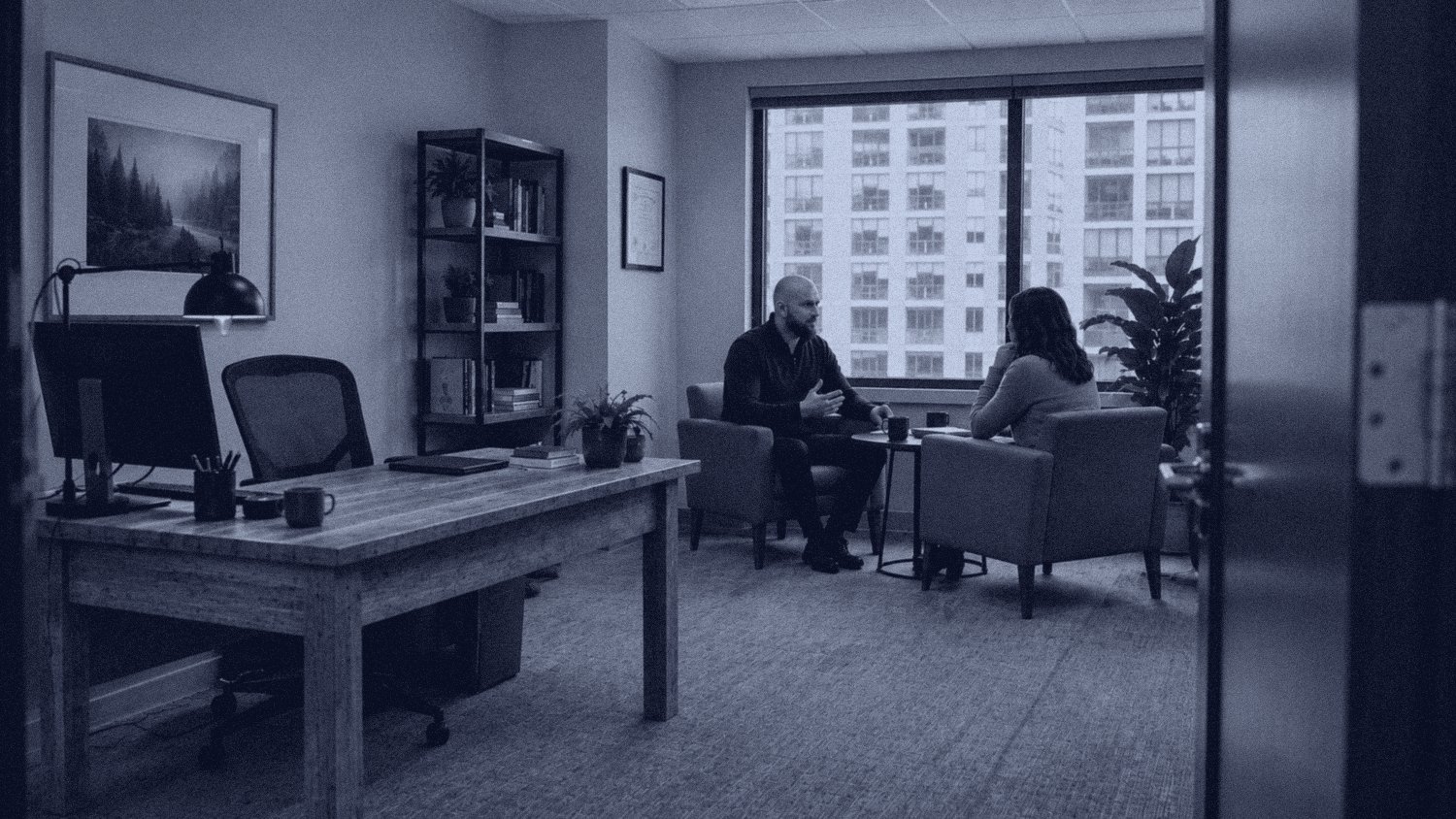
How the coaching works
Sessions are scheduled to meet your needs. Between-session communication stays open — a shared Slack space or email, for when something lands and you need to think out loud before you react to it. That between-session line is where most of the real work happens, because leadership problems arrive on their own schedule, not yours.
In coaching, we want to find the one or two behaviors that are quietly costing you the room, and work those — not hand you a generic list of twenty leadership habits to fix at once.
Is this you?
Coaching earns its place when you're good at the work and the way you lead has become the thing in your way.
- You got the bigger job, and the instincts that won it are the ones now getting in your way.
- You have plateaued, and the people promoting past you are not obviously better than you.
- You are leading people who were your peers a month ago.
- You are in the room, and the room does not move when you talk.
- Your ideas land better when someone else says them.
- You are good at the work, and it is quietly eating the parts of your life you cannot get back.
Common focus areas
The themes leaders bring most often. Coaching starts from the one or two that are actually costing you the room — not all of them at once.
Common questions
How long is an executive coaching engagement?
Three months, with up to six sessions. Sessions are scheduled around your work rather than a fixed weekly slot, and the line stays open between them for a voice memo, email, or short call when something lands.
How is executive coaching different from mentoring or therapy?
A mentor hands you their playbook; a therapist works on your history. Coaching here works on the present pattern — the behavior that keeps producing the same result — and the few changes that shift it. It is practical and forward-looking.
Is it in person or remote?
Either. Most sessions run remotely and are scheduled around your calendar. The open line between sessions is the part clients use most.
Who is it for?
Executives, senior managers, and specialists who are already good at the work — usually just promoted, leading former peers, or plateaued — and want to change how they lead, not just what they know.
What if I am also running a job search?
Then the fuller path is Critical Path Positioning, the end-to-end campaign. Coaching is for the seat you hold; Positioning is for landing the next one.
Start with one conversation.
Twenty minutes, no cost. We'll find the critical path from there.